A press brake is an industrial machine tool used to bend sheet and plate materials, typically sheet metal, into precise angles and shapes. It operates by clamping a workpiece between a matching punch (upper tool) and die (lower tool), applying high-tonnage pressure to create permanent "plastic" deformation along a predetermined bend line.
Core Components
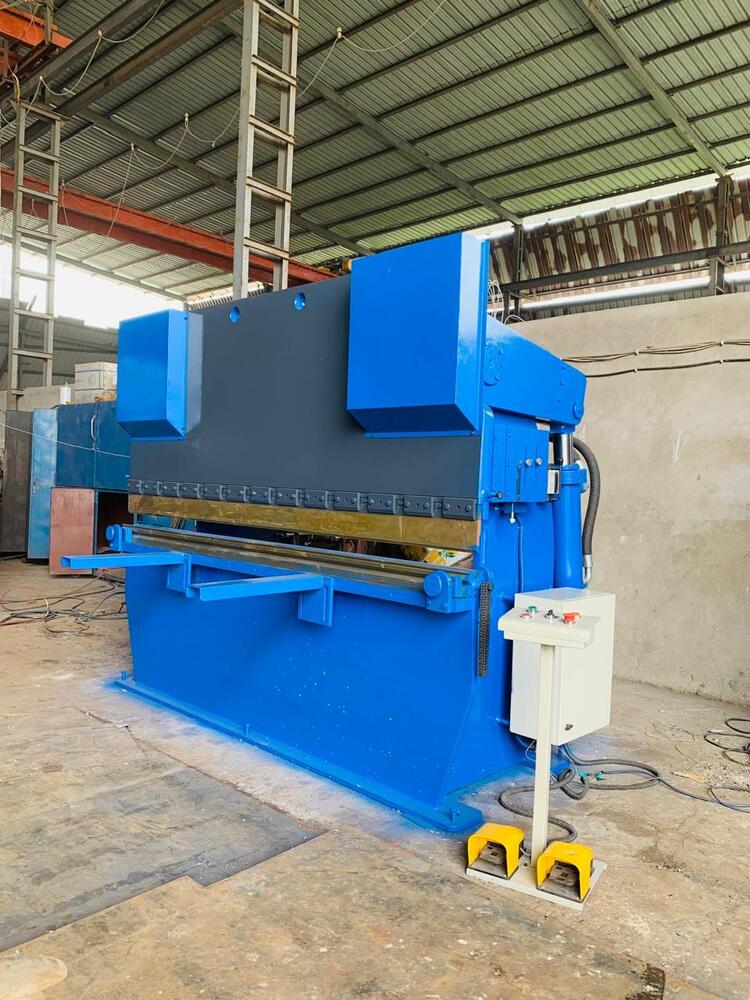
Frame: The main structure, often a C-frame design, made of high-strength steel to provide stability and resist deflection during high-pressure operations.
Ram (Upper Beam): The moving part that holds the punch and descends vertically to exert force on the material.
Bed (Worktable): The fixed lower platform that supports the die and the workpiece.
Back Gauge: A positioning system located behind the bed that ensures the sheet is placed accurately for consistent and repeatable bends.
Tooling (Punch & Die): Interchangeable sets that determine the final bend radius and angle. Common shapes include V-dies, gooseneck punches, and offset dies.
Control System: Ranges from simple manual or NC (Numerical Control) systems to advanced CNC (Computer Numerical Control) platforms that automate complex, multi-step bending sequences.
Primary Types
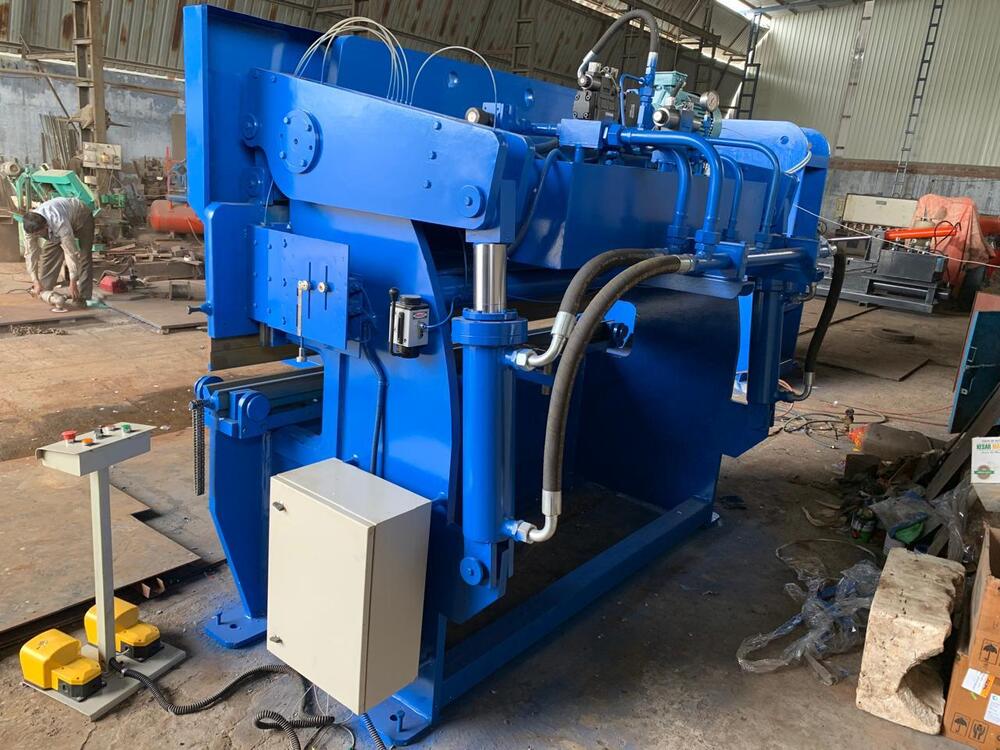
Hydraulic Press Brakes: The most common industrial type, using hydraulic cylinders for high power, consistent force, and versatility across many material thicknesses.
CNC Press Brakes: Fully automated machines that use a computer to control multiple axes (ram, back gauge, and crowning), offering the highest precision (up to 0.01mm) and repeatability.
Servo-Electric Press Brakes: Driven by electric motors and ball screws rather than hydraulic fluid. They are highly energy-efficient, faster, and require less maintenance.
Mechanical Press Brakes: Older technology using a flywheel and clutch system. While fast for repetitive tasks, they lack the precise control and safety features of modern hydraulic or electric versions.
Key Performance Specifications
Tonnage: The maximum force the machine can apply. Required tonnage depends on material type, thickness, and bend length.
Bending Length: The maximum width of the sheet metal the machine can accommodate.
Accuracy & Repeatability: Critical for tight-tolerance industries like aerospace and automotive.
Axes of Control: Modern machines may have 3 to 8+ axes (X, R, Z1, Z2, etc.) to handle complex, asymmetrical parts without manual adjustments.
Advanced Hydraulic Bending
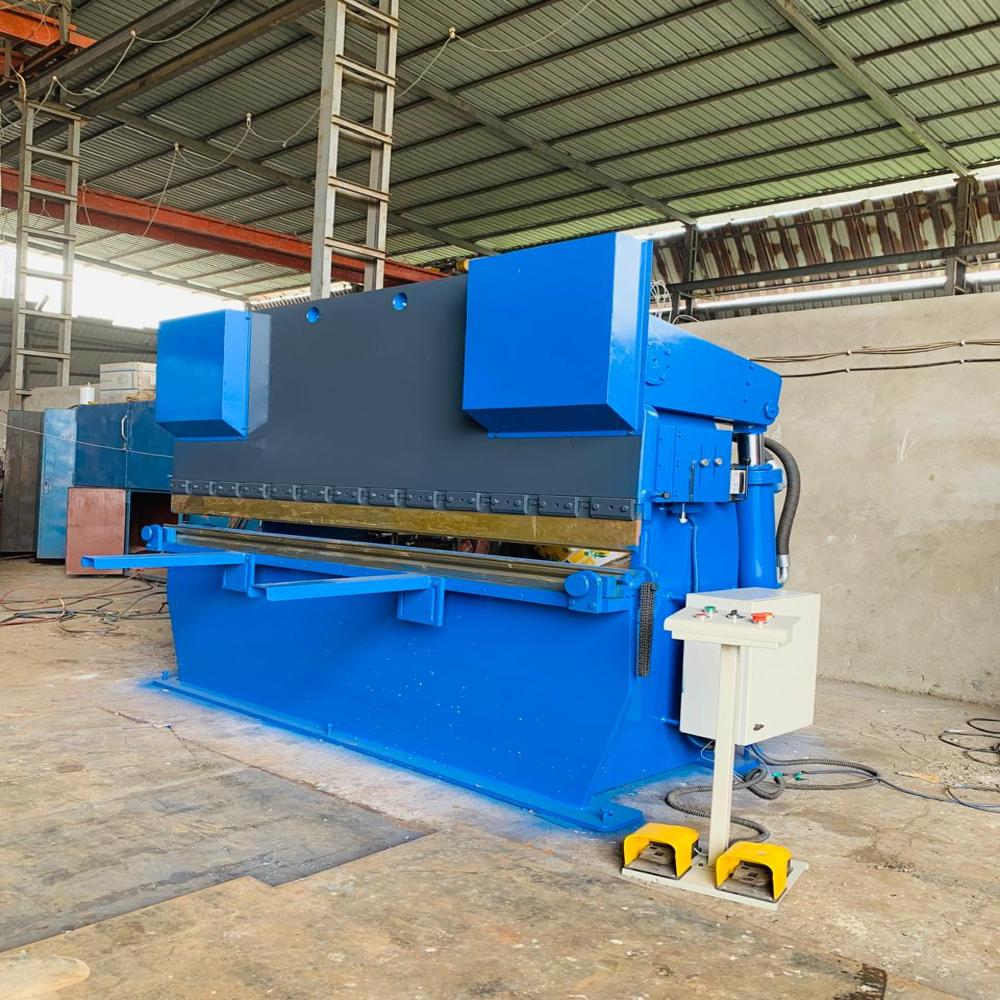
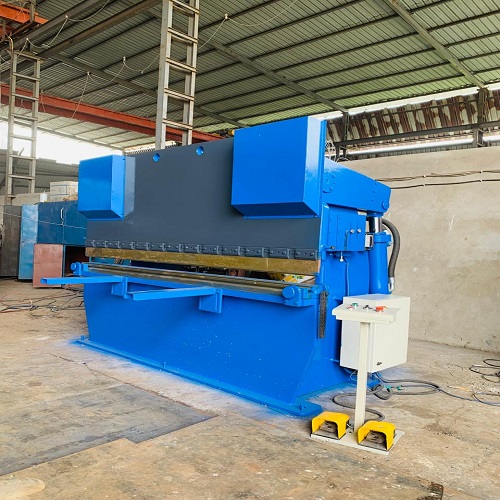
Engineered for exceptional strength, the Hydraulic Bending Machine leverages hydraulic technology to deliver impressive force and accurate results. Designed specifically for MS material processing, it ensures high repeatability and reduced manual intervention, making it a valuable asset for modern workshops.
Semi-Automatic Operation for Efficiency
With its semi-auto automation, this machine strikes a balance between human oversight and automated action. Operators can control the process easily, optimizing both safety and throughput. The straightforward interface allows for seamless integration into existing production lines.
FAQ's of Hydraulic Bending Machine:
Q: How does the hydraulic mechanism improve the bending process?
A: The hydraulic system provides consistent force, ensuring uniform bends and reducing the risk of material deformation. It also offers greater control over bending angles, enabling precise shaping of MS materials.
Q: What type of materials can be processed with this bending machine?
A: This machine is designed for bending mild steel (MS) and is ideal for applications requiring strong, reliable bends in metal sheets or bars.
Q: When should I use a 60-ton hydraulic bending machine compared to other types?
A: A 60-ton hydraulic bending machine is best suited for heavy-duty projects that require high bending force and accuracy. Use it when dealing with thick or large metal pieces that lighter machines cannot handle.
Q: Where is the Hydraulic Bending Machine manufactured and supplied from?
A: The machine is manufactured in India and is available to manufacturers, service providers, and suppliers across the region.
Q: What is the process of operating the semi-automatic machine?
A: The operator sets the required parameters, positions the workpiece, and initiates the bending cycle. The hydraulic system takes over, performing the bend with controlled force, while the operator monitors and ensures safety throughout the process.
Q: How can I benefit from using this machine in my workshop?
A: Integrating this hydraulic bending machine improves productivity, product quality, and operational safety. It allows for efficient, repeatable production of bent MS components, reducing manual labor and error rates.
Tell us about your requirement
Price:
Quantity
Select Unit
50
100
200
250
500
1000+
Additional detail
Mobile number
Email
Name
Comapny Name
Phone Number
Email Id
City / State
Confirm Your Requirement
Verification Code
Did not receive yet?
Resend OTP
You’re Done!
We have received your requirements and will reply shortly with the best price.
Products You May Like
More Products in Hydraulic Press Brake Machine Category








 Send Inquiry

 Send Inquiry
